Imagine finding a small necklace, stone, or symbol that people believe can protect you from bad luck or negative energy. Sounds mystical, right? Yet millions of people across the world carry these objects every day.
That’s where the amulet meaning comes in.
For thousands of years, humans have believed that certain objects hold protective or spiritual power. From ancient Egyptian charms to modern crystal necklaces, amulets appear in nearly every culture.
Today, the idea of amulets is still alive. People wear them for spiritual protection, luck, love, health, and emotional comfort. Some treat them as sacred symbols, while others see them as meaningful jewelry.
In this updated guide, you’ll learn:
- The true amulet meaning
- The history behind protective charms
- How people use amulets today
- Real examples and symbols
- Differences between amulets and talismans
Updated for 2026, this guide breaks everything down in simple language so anyone can understand.
What Does “Amulet” Mean?
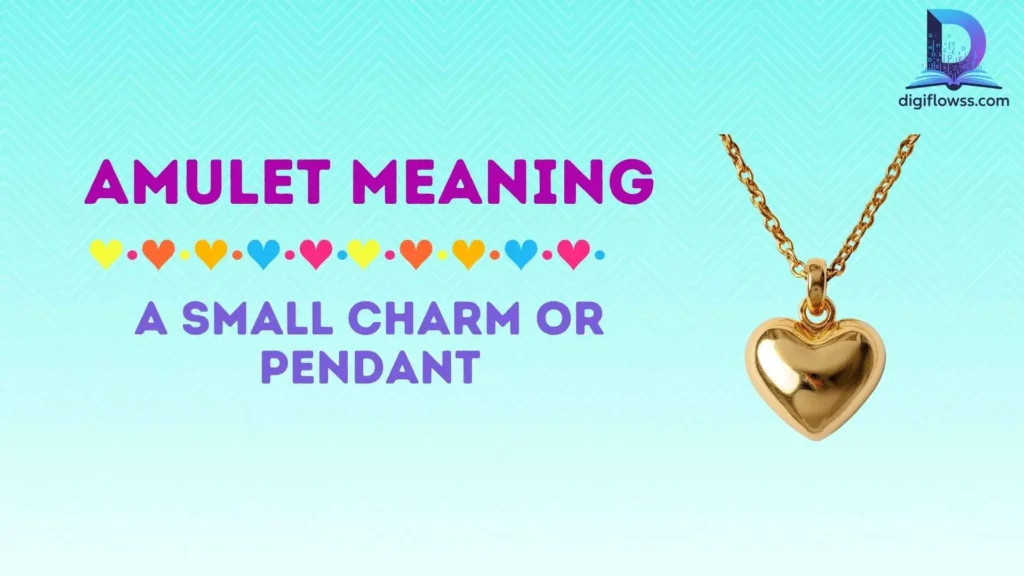
The amulet meaning refers to an object believed to protect the person wearing or carrying it from harm, bad luck, illness, or negative energy.
An amulet can be:
- Jewelry
- A carved stone
- A symbol
- A religious object
- A small charm or pendant
Quick Answer
An amulet is a protective object believed to guard its owner against evil, danger, or bad luck.
Origin of the Word
The word amulet comes from the Latin word amuletum, meaning a protective charm.
Historians believe amulets have existed for over 5,000 years.
Ancient civilizations that used them include:
- Egyptians
- Greeks
- Romans
- Chinese
- Indians
- Mesopotamians
In many cases, people believed these objects could block curses, spirits, or misfortune.
How the Meaning Evolved
Originally, amulets were deeply tied to religion and superstition. Over time, their meaning expanded to include:
- spiritual symbols
- cultural traditions
- fashion jewelry with symbolic meaning
- emotional or psychological comfort
Today, the amulet meaning blends history, spirituality, and personal belief.
How to Use “Amulet” Correctly in Conversation
Unlike internet slang, the word amulet is used in everyday language to describe protective objects.
Common Contexts
People typically use the word when talking about:
- spirituality
- religion
- mythology
- jewelry
- historical artifacts
Examples:
✔ She wears an amulet for protection.
✔ The ancient tomb contained several protective amulets.
✔ This necklace acts as a spiritual amulet.
When NOT to Use It
Avoid using the word in situations where the object has no symbolic or protective meaning.
For example:
❌ This watch is my amulet (unless it has symbolic value).
Formatting and Usage Tips
The word is simple and flexible:
- singular: amulet
- plural: amulets
- often used with verbs like wear, carry, keep, protect
People sometimes pair amulets with symbols like:
✨ crystals
🧿 evil eye charms
✝ religious pendants
Real Examples of Amulets in Conversation
Here are real-life style examples showing how people talk about amulets.
Between Friends
Alex: Why do you always wear that necklace?
Jamie: It’s my grandmother’s amulet. She said it protects me.
Meaning: The amulet holds emotional and protective significance.
In a Cultural Discussion
Teacher: Ancient Egyptians buried pharaohs with protective amulets.
Student: They believed it helped in the afterlife.
Meaning: The amulet represents spiritual protection.
Dating Conversation
Chris: That pendant looks interesting.
Maya: It’s an amulet for good energy.
Meaning: The object symbolizes personal belief.
Family Conversation
Mom: Your grandfather carried a small amulet during the war.
Son: For luck?
Mom: Yes, and protection.
Meaning: The amulet represents hope and safety.
Gaming or Fantasy Context
Player 1: This magic amulet increases defense points.
Player 2: Nice, that’s powerful.
Meaning: In games, amulets often provide magical abilities.
Common Mistakes & Misunderstandings
Despite being an ancient concept, many people misunderstand the amulet meaning.
1. Confusing Amulets With Talismans
This is the most common mistake.
Amulet: protects from harm
Talisman: attracts luck or power
While they’re similar, the intention is slightly different.
2. Thinking Amulets Must Be Religious
Not necessarily.
Some amulets are religious symbols, but many are:
- crystals
- stones
- animal charms
- cultural symbols
3. Assuming Amulets Have Proven Power
Scientifically, amulets are not proven to have supernatural effects.
However, many people believe they provide:
- spiritual protection
- emotional confidence
- psychological comfort
Belief plays a huge role.
Amulets Across Different Cultures
The concept of amulets exists almost everywhere in the world.
Ancient Egypt
Egyptians used hundreds of protective charms, including:
- scarab beetles
- eye symbols
- animal carvings
These were placed on mummies for protection in the afterlife.
Middle Eastern Cultures
The evil eye charm is one of the most famous amulets.
People believe it protects against jealousy and negative energy.
Asian Traditions
In many Asian cultures, amulets are linked to:
- good fortune
- prosperity
- spiritual harmony
Common examples include engraved coins and jade pendants.
Western Cultures
In modern Western society, amulets often appear as:
- crystal jewelry
- symbolic necklaces
- spiritual accessories
Many people wear them for personal meaning rather than strict belief.
Popular Types of Amulets
Here are some of the most common protective amulets used worldwide.
| Amulet | Meaning |
|---|---|
| Evil Eye | Protection from jealousy and bad intentions |
| Cross | Spiritual protection and faith |
| Hamsa Hand | Defense against negative energy |
| Scarab Beetle | Protection and rebirth |
| Crystal Amulet | Healing and emotional balance |
| Animal Tooth | Strength and courage |
| Jade Pendant | Luck and harmony |
| Four-Leaf Clover | Rare symbol of luck |
Each culture adapts these symbols in unique ways.
Related Symbols and Alternatives
People often use these terms when discussing the amulet meaning.
- Talisman – attracts luck or power
- Charm – small symbolic object believed to bring good fortune
- Protective Symbol – general term for spiritual signs
- Lucky Charm – casual version of an amulet
- Spiritual Pendant – jewelry with symbolic meaning
- Totem – animal symbol representing protection or identity
- Relic – sacred object from religious tradition
- Sigil – mystical symbol used in magical traditions
These words often overlap depending on cultural interpretation.
FAQs:
What is the purpose of an amulet?
The main purpose of an amulet is protection. People believe it can guard them against bad luck, illness, danger, or negative energy.
What is the difference between an amulet and a talisman?
An amulet protects against harm, while a talisman is believed to attract good luck, success, or special power.
Are amulets religious?
Some are religious, such as crosses or sacred symbols. Others are cultural or spiritual items like crystals or protective charms.
What materials are amulets made from?
Amulets can be made from many materials including:
- metal
- stone
- crystal
- wood
- bone
- carved gems
The material often carries symbolic meaning.
Why do people still wear amulets today?
Many people wear amulets for spiritual belief, cultural tradition, emotional comfort, or personal symbolism.
Conclusion:
The amulet meaning goes far beyond jewelry or decoration. For thousands of years, these small objects have represented protection, hope, faith, and spiritual belief.
Across cultures and generations, people have trusted amulets to guard them against danger or attract positive energy.
Whether you see them as mystical tools, cultural traditions, or simply meaningful accessories, amulets remain one of humanity’s oldest symbolic objects.
And who knows? The small charm someone wears today might carry a story thousands of years old.
If you enjoy learning about symbols and meanings, explore more guides about ancient symbols, lucky charms, and spiritual traditions.

Hi, I’m Candy Mark, the voice behind Digiflowss.com, where confusing words get clarity and trending slang finally makes sense.
I write for people who don’t have time for complicated definitions. If a word is blowing up online or showing up in conversations and you’re not 100% sure what it means, I break it down fast, simple, and in a way that actually sticks.