Ever read a quote, message, or story that instantly hits you right in the feelings?
Maybe a line in a movie gave you chills.
Or a friend said something that perfectly captured what you were going through.
That’s the power of resonant meaning.
In simple terms, something is resonant when it deeply connects with people emotionally or intellectually. It sticks with them. It feels true, relatable, and powerful.
Writers, speakers, marketers, and even everyday texters rely on resonant language to make their words matter. A resonant message can inspire action, strengthen relationships, and make ideas unforgettable.
What Does “Resonant” Mean?
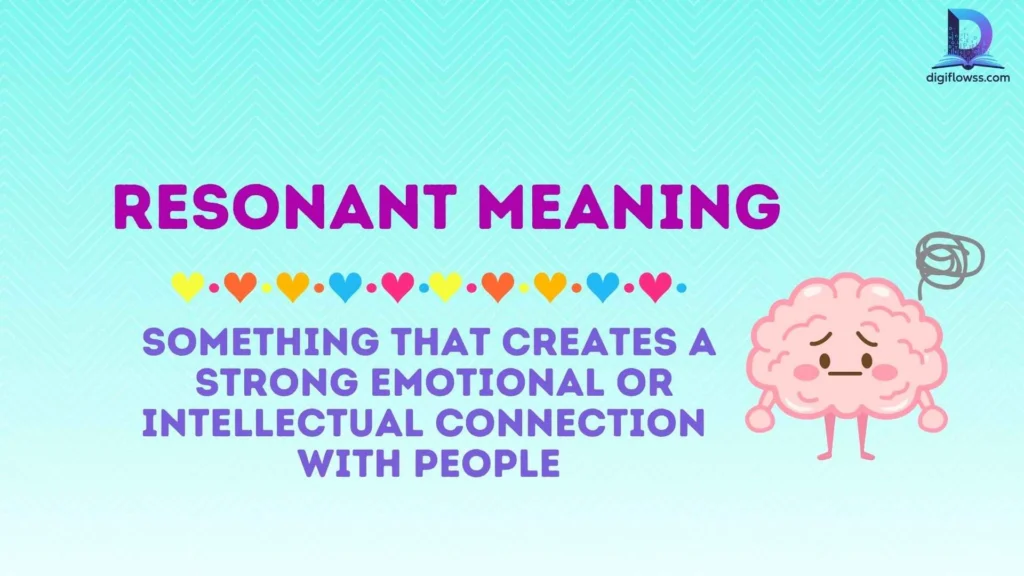
The resonant meaning describes something that creates a strong emotional or intellectual connection with people.
In other words, it strikes a chord.
When a message is resonant, it feels:
- relatable
- powerful
- meaningful
- memorable
Quick Answer
Resonant meaning: Something that strongly connects with people emotionally or intellectually, making it impactful and memorable.
Word Origin
The word resonant comes from the Latin word resonare, which means “to sound again” or “echo.”
Originally, it was used in physics and acoustics to describe sound vibrations. For example, a resonant guitar string vibrates strongly and produces a powerful tone.
Over time, the meaning expanded beyond sound to describe ideas, emotions, and messages that echo within people’s minds.
Pronunciation
REZ-uh-nuhnt
/ˈrezənənt/
How to Use “Resonant” Correctly in Texts & Chat
In everyday language, people use resonant to describe ideas or messages that feel deeply meaningful.
Common Situations Where It’s Used
You’ll often see the word used when talking about:
- speeches
- stories
- personal experiences
- marketing messages
- emotional conversations
Example:
“That movie’s message was really resonant.”
This means the message felt powerful and relatable.
Tone & Context
The word resonant usually carries a thoughtful or emotional tone.
It works best in contexts like:
- meaningful discussions
- storytelling
- thoughtful commentary
- emotional reflection
Platform-Specific Usage
Text messages
“Your advice was really resonant. I needed that.”
Instagram captions
“Stories that are honest tend to be the most resonant.”
Twitter/X posts
“The most resonant messages are usually the simplest.”
Discord or Reddit
“That analogy was surprisingly resonant.”
When NOT to Use It
Avoid using resonant in casual slang or joking contexts.
For example, this sounds unnatural:
❌ “That pizza was resonant.”
Better alternatives would be:
- amazing
- delicious
- incredible
Formatting Tips
The word usually appears in lowercase in casual writing.
You may see it paired with emojis in informal chats:
“That story was resonant ❤️”
Real Conversation Examples Using “Resonant”
Seeing the word in action makes it much easier to understand.
Between Friends
Alex: That quote you sent earlier really stuck with me.
Sam: Yeah, it felt pretty resonant when I read it too.
Meaning: The quote emotionally connected with both of them.
In a Group Chat
Jordan: That documentary was powerful.
Taylor: Seriously. The ending was really resonant.
Meaning: The ending created a strong emotional impact.
Dating Conversation
Chris: I loved what you said about chasing meaningful work.
Jamie: Thanks. It’s something that’s really resonant for me.
Meaning: The topic is personally meaningful.
Work Chat
Manager: Your presentation had a very resonant message about teamwork.
Meaning: The message connected strongly with the audience.
Gaming Community Chat
Player 1: That storyline hit hard.
Player 2: Yeah, the character arc was super resonant.
Meaning: The story emotionally affected players.
Common Mistakes & Misunderstandings
Even though resonant is a powerful word, people sometimes misuse it.
1. Confusing It With “Loud”
Because of its origin in sound, some people think resonant only refers to volume.
But in modern usage, it’s mostly metaphorical.
Example:
❌ “The speaker was resonant.”
✔️ “The speaker’s message was resonant.”
2. Using It for Physical Objects
The word usually describes ideas, emotions, or messages, not physical items.
Incorrect:
❌ “That chair is resonant.”
Correct:
✔️ “The story behind that chair is resonant.”
3. Overusing It in Formal Writing
While the word sounds sophisticated, using it too frequently can feel repetitive.
Instead, mix it with alternatives like:
- powerful
- meaningful
- impactful
“Resonant” Across Different Platforms & Demographics
Language trends evolve quickly, especially online.
Gen Z Usage
Gen Z often uses resonant in discussions about:
- personal growth
- identity
- social issues
- storytelling
Example:
“That video essay was incredibly resonant.”
Millennials
Millennials often use the word in:
- workplace discussions
- creative writing
- marketing conversations
Example:
“We want messaging that feels resonant with our audience.”
Older Generations
Older generations tend to use resonant more formally in:
- speeches
- literature
- journalism
Social Media Trends
The word appears frequently in:
- TikTok commentary videos
- podcast discussions
- thought-leader posts on LinkedIn
It often describes ideas that deeply connect with audiences.
Related Slang, Abbreviations & Alternatives
Here are related words and phrases often used instead of resonant.
| Term | Meaning |
|---|---|
| Powerful | Strong emotional impact |
| Impactful | Creates noticeable change or impression |
| Meaningful | Important or emotionally significant |
| Moving | Emotionally touching |
| Relatable | Easy to connect with personally |
| Deep | Emotionally thoughtful |
| Thought-provoking | Makes people reflect |
| Inspiring | Motivates people |
| Memorable | Easy to remember |
| Strikes a chord | Creates strong emotional reaction |
These alternatives help avoid repetition while maintaining the same idea.
FAQs:
What does resonant mean in simple terms?
Resonant means something strongly connects with people emotionally or intellectually. When a message or idea is resonant, it feels relatable, meaningful, and memorable.
What is a resonant message?
A resonant message is one that deeply connects with its audience. It reflects shared emotions, experiences, or values, making people feel understood and engaged.
Is resonant used in everyday conversation?
Yes. While slightly formal, people frequently use resonant in discussions about ideas, stories, speeches, or meaningful experiences.
What is an example of resonant language?
An example might be a speech about overcoming challenges that reflects the struggles many people face. Because listeners relate to it, the message becomes resonant.
What is the difference between resonant and relatable?
Relatable means something feels familiar or similar to your experience. Resonant goes deeper — it suggests a strong emotional or intellectual impact that stays with you.
Conclusion:
The resonant meaning goes far beyond simple definition. It describes the rare moments when words truly connect with people on a deeper level.
A resonant message isn’t just heard it’s felt.
That’s why writers, speakers, creators, and communicators aim for resonance. When language reflects real emotions and shared experiences, it becomes powerful and memorable.
Next time you hear a speech, read a quote, or watch a story that gives you chills, you’ll recognize it instantly.
That’s resonance in action.
Got a favorite quote or message that feels resonant to you? Drop it in the comments and share it with others!

Hi, I’m Alex Mark, the writer and Creator behind digiflowss.com, where meanings aren’t just explained… they’re made easy to understand and actually useful.
I started this platform with one simple goal: to break down words, slang, and expressions in a way that feels clear, fast, and real. No complicated definitions. No textbook vibes. Just straight answers that help you understand what people really mean—online and in real life.