Ever been on your way somewhere important, only to see a sign that forces you to take a completely different route? That unexpected twist is exactly what the detour meaning is all about.
In today’s fast-paced world, the word detour isn’t just about roads anymore. People use it in conversations, social media, and even life advice.
From travel mishaps to unexpected career shifts, detours happen everywhere.
Understanding the detour meaning can help you communicate more clearly and even sound more natural in everyday English. Whether you’re a student, a content writer, or just someone trying to improve vocabulary, this guide breaks it all down.
Updated for 2026, this article will show you what detour really means, where it came from, how to use it properly, and real-life examples you can relate to.
What Does “Detour Meaning” Mean?
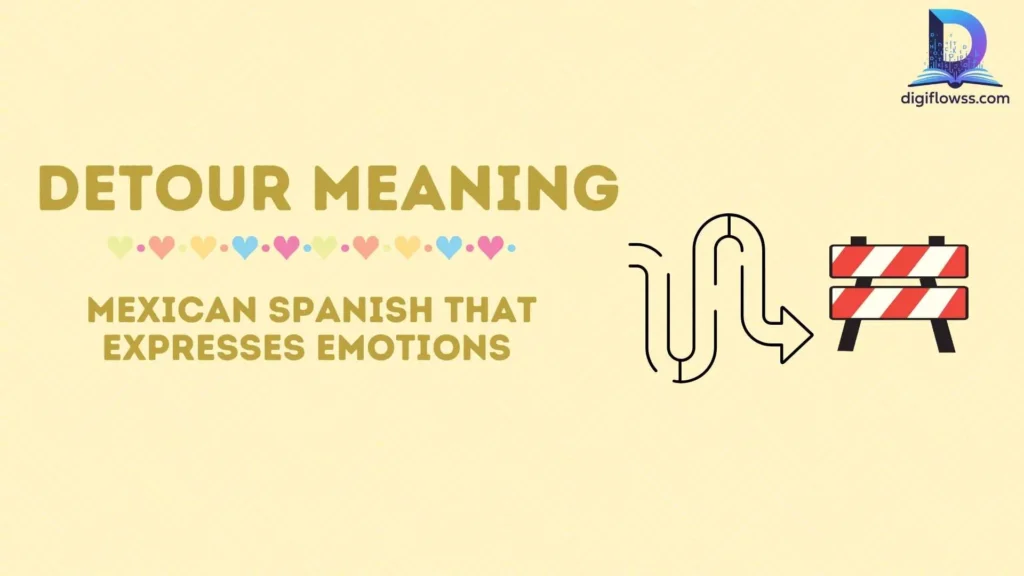
A detour refers to a longer or alternative route taken to avoid an obstacle or blockage.
Quick Answer:
Detour means taking a different path instead of the usual one, often due to a problem or obstacle.
Origin of the Word
The word “detour” comes from French:
- “dé” meaning “away”
- “tour” meaning “turn”
It literally translates to “a turning away,” which perfectly matches its modern usage.
Evolution of Meaning
Originally used for roads and travel, the meaning has expanded. Now, it can describe:
- Life changes
- Unexpected delays
- Changes in plans
- Emotional or career shifts
Pronunciation
dee-tour or day-tour (both are acceptable)
How to Use “Detour Meaning” Correctly in Texts & Chat
Using the detour meaning correctly depends on context and tone.
Common Usage Contexts
- Travel: Road closures, construction
- Life situations: Career changes, setbacks
- Conversations: Going off-topic
Examples by Platform
- WhatsApp/SMS:
“Had to take a detour, I’ll be late!” - Instagram caption:
“Life took a detour, but I’m still moving forward.” - Twitter/X:
“Sometimes the best opportunities come from detours.” - Discord/Gaming:
“Let’s take a detour and explore that side quest.”
When NOT to Use It
Avoid using “detour” in:
- Highly technical writing (unless literal)
- Legal or strict formal documents (use “alternative route” or “deviation” instead)
Formatting Tips
- Lowercase: detour
- No abbreviations
- Emoji pairings: 🚧, 🛣️, 🔄
Real Conversation Examples Using “Detour Meaning”
1. Between Friends
A: Why are you late?
B: Had to take a detour because of traffic.
👉 Shows a practical, real-world delay.
2. In a Group Chat
A: What happened to your plan to study medicine?
B: Took a little detour, now I’m into design.
👉 Reflects life change or shift.
3. Dating Scenario
A: Why didn’t you text back?
B: Sorry, my day took a detour.
👉 Softens explanation, sounds casual.
4. Work Chat
Manager: Project update?
Employee: We hit a small detour but back on track now.
👉 Professional but still relatable.
5. Gaming Context
Player 1: Let’s go straight to the mission.
Player 2: Nah, let’s take a detour for loot.
👉 Fun and strategic use.
Common Mistakes & Misunderstandings
1. Confusing Detour with Delay
A detour is not just a delay—it’s a change in route or direction, not just waiting.
2. Overusing It in Formal Writing
Using “detour” in academic essays can sound too casual. Replace with:
- deviation
- alternative path
3. Generational Confusion
- Older generations: think only of roads
- Gen Z: uses it metaphorically (life, emotions, plans)
4. Cultural Differences
In some regions, “detour” is strictly literal. In others, it’s widely used metaphorically.
“Detour Meaning” Across Different Platforms & Demographics
Gen Z Usage
- Loves metaphorical meaning
- Common in captions and motivational posts
Millennials
- Uses both literal and figurative meanings
- Common in workplace chats
Older Generations
- Mostly literal usage (roads, travel)
Platform Trends
- TikTok: “Life detour” storytelling
- Instagram: motivational captions
- Discord: gaming routes and strategies
Formal vs Informal
- Neutral word
- Safe for work ✔
- Casual tone preferred
Related Slang, Abbreviations & Alternatives
Here are similar or related terms:
- Diversion – official reroute
- Bypass – avoiding something directly
- Deviation – slight change in direction
- Alternative route – formal version
- Side track – distraction or change
- Plan B – backup option
- Shortcut – opposite of detour
- Roundabout way – indirect approach
- Shift – change in direction
- Pivot – strategic change
FAQs:
What does detour mean in texting?
In texting, detour usually means a change in plans or delay caused by something unexpected. It can be literal or metaphorical.
Can detour be used metaphorically?
Yes, very commonly. People use detour to describe life changes, career shifts, or unexpected situations.
Is detour a negative word?
Not always. While it may imply inconvenience, it can also suggest new opportunities or experiences.
What is the opposite of detour?
The opposite would be a direct route, shortcut, or straight path.
How do you use detour in a sentence?
Example: “We had to take a detour because the main road was closed.”
Conclusion:
The detour meaning goes far beyond road signs and traffic updates. It represents those unexpected turns whether on the road or in life that force you to adapt and keep moving.
Sometimes, a detour feels frustrating. Other times, it leads you somewhere better than you planned. That’s the beauty of it.
Next time you hear or use the word, you’ll know exactly what it means and how to use it naturally in any conversation.
👉 Got a favorite slang or word you want explained next? Drop it below and let’s decode it together!

Hi, I’m Alex Mark, the writer and Creator behind digiflowss.com, where meanings aren’t just explained… they’re made easy to understand and actually useful.
I started this platform with one simple goal: to break down words, slang, and expressions in a way that feels clear, fast, and real. No complicated definitions. No textbook vibes. Just straight answers that help you understand what people really mean—online and in real life.